

For many businesses, electricity is a major operating expense—and one that is becoming increasingly unpredictable. Commercial solar systems offer a way to stabilize energy costs, reduce exposure to price volatility, and improve long-term profitability, all while supporting sustainability goals.
Here's how rooftop and on-site solar can help businesses cut energy costs and strengthen their bottom line.
Lower and Stabilize Long-Term Energy Costs
- 1. Reduced utility bills: By generating electricity on-site, businesses can significantly cut the amount of power they purchase from the grid, especially during daytime peak hours when tariffs are often highest.
- 2. Protection from price volatility: Solar systems have predictable up-front costs and low operating expenses. Once installed, the "fuel" (sunlight) is free, helping businesses hedge against future increases in electricity prices.
- 3. Improved budget planning: With a portion of energy needs locked in at a stable, low cost, finance departments can forecast operating expenses more accurately over the system's lifetime—typically 20–25 years or more.
Strong Return on Investment and Cash-Flow Benefits
- 1. Short payback periods: Depending on local tariffs and incentives, commercial solar projects often achieve payback in 4–8 years, while continuing to generate savings for many years after.
- 2. Tax incentives and subsidies: Many regions offer corporate tax credits, accelerated depreciation, or direct subsidies for solar. These incentives can dramatically improve the project's economics and shorten payback periods.
Flexible financing models: Businesses can choose from multiple structures
- 1. Direct purchase (capex): Maximizes long-term savings.
- 2. Loans or leasing: Spreads costs over time.
- 3. Power purchase agreements (PPAs): Little or no up-front cost; pay only for the energy generated.
- 4. Higher asset value: Solar installations can increase the value of owned properties and make them more attractive to tenants interested in lower operating costs.
Better Use of Existing Assets: Rooftops and Facilities
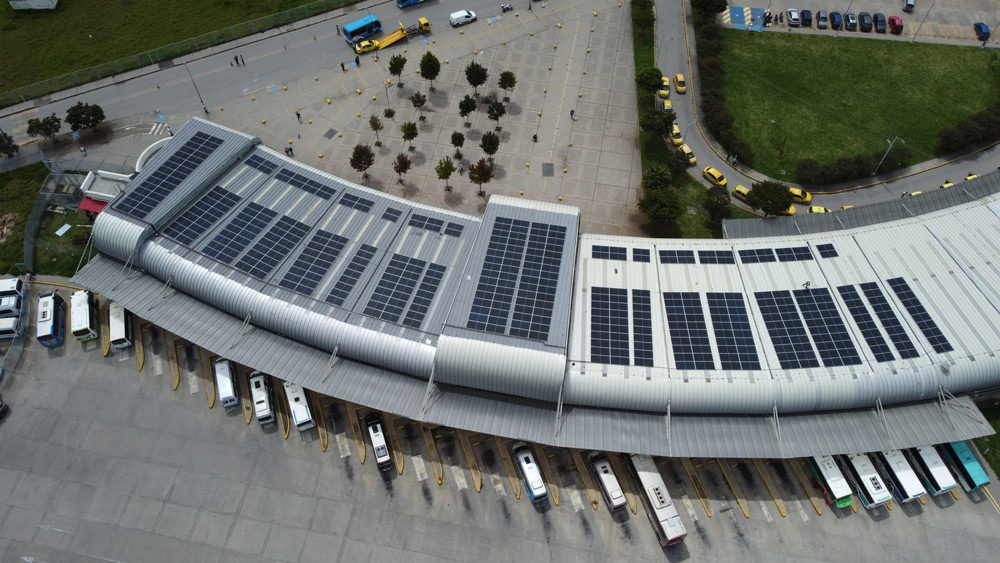
- 1. Turning idle roofs into productive assets: Large, flat commercial roofs are ideal for solar installations. Instead of sitting unused, they can host systems that generate measurable financial returns each year.
- 2. On-site systems reduce transmission losses: Generating energy where it's consumed reduces losses in the grid, making overall energy use more efficient.
- 3. Integration with operations: Solar can be paired with energy-intensive processes, EV charging, or battery storage to optimize self-consumption and further lower grid dependence.
Operational Efficiency and Risk Management
- 1. Reduced exposure to peak demand charges: In many commercial tariffs, demand charges are based on peak usage. Solar generation during business hours can help shave peak loads and lower these charges.
- 2. Improved resilience: When combined with batteries, solar can provide backup power during grid outages, helping avoid costly downtime and protecting critical operations.
- 3. Data-driven energy management: Modern commercial solar systems include monitoring tools that provide detailed insights into consumption and generation—information that can guide broader efficiency upgrades.
Brand Value and Stakeholder Confidence
- 1. Visible commitment to sustainability: Solar panels on company rooftops, warehouses, and parking structures send a clear signal to customers, investors, and employees that the business is serious about ESG (Environmental, Social, and Governance) and climate commitments.
- 2. Competitive differentiation: Lower and more predictable energy costs can translate into more competitive pricing, better margins, and stronger positioning in supply chains that increasingly favor low-carbon operations.
- 3. Employee and customer engagement: Solar projects offer tangible sustainability stories that can be shared in marketing, reporting, and internal communications, helping build pride and loyalty.
Conclusion
For business decision-makers, commercial solar is not only an environmental choice—it's a strategic financial tool. By lowering and stabilizing energy costs, improving the use of existing assets, and enhancing resilience and brand value, solar systems can support long-term operational efficiency and profitability.