Solar panels are devices that convert sunlight into electricity. They offer a clean, renewable, and eco-friendly source of energy. Solar panels are made up of smaller units called solar cells. These cells are typically made of silicon, a semiconductor material.
The Basic Principle: Photovoltaic Effect
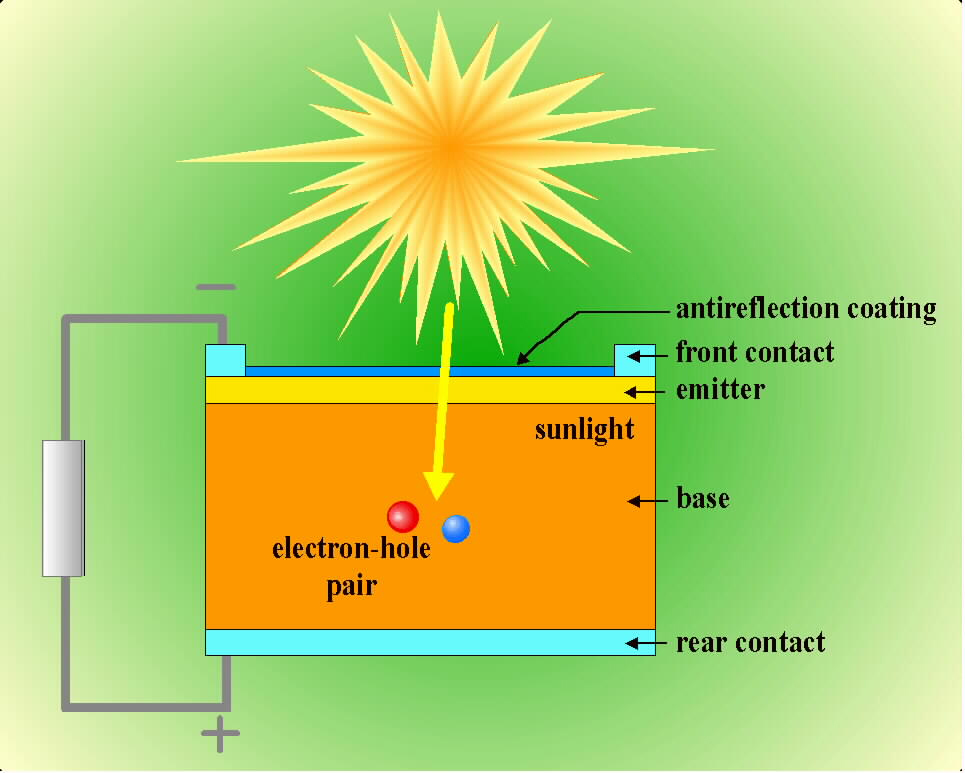
Solar panels generate electricity through a process called the photovoltaic (PV) effect. Here's how it works in simple terms:
1. Sunlight (photons) strikes the surface of the solar cell.
2. The energy from the photons is absorbed by the silicon atoms in the cell.
3. This energy frees electrons from their atoms.
4. These free-moving electrons flow through the material to produce electricity.
Inside a Solar Panel: Key Components
1. Silicon Layers: Most solar cells are made of two layers of silicon. The top layer is doped with phosphorus to create a negative charge, and the bottom layer is doped with boron to create a positive charge. This creates an electric field between the layers.
2. Metal Conductive Strips: These strips collect the electrons that are released by the sunlight. They are usually made of a conductive metal like silver.
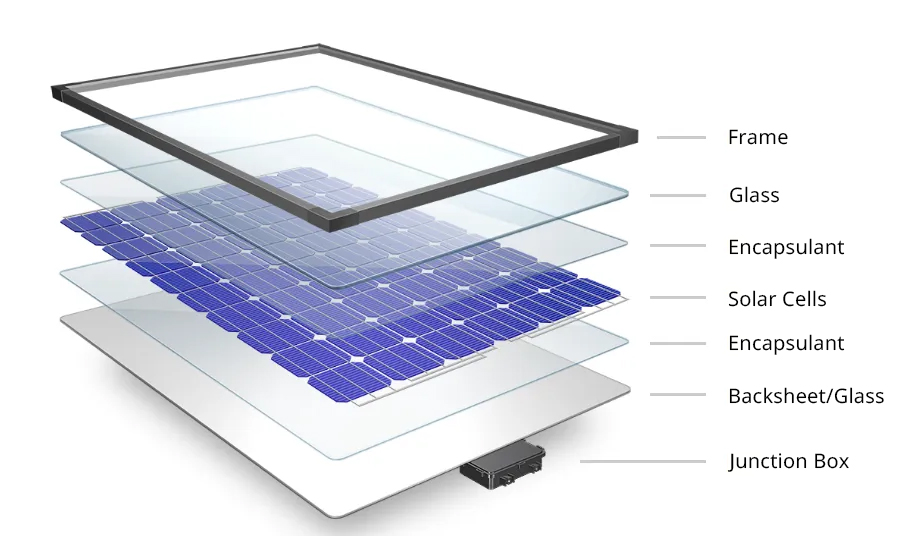
3. Protective Layers: Solar panels have a layer of glass on top to protect the cells from the environment. Underneath the cells, there's a backing layer that also provides protection.
How Solar Panels Generate Electricity
Here's a step-by-step explanation of the electricity generation process:
1. Sunlight hits the solar panel.
2. The photons in the sunlight are absorbed by the silicon cells.
3. The energy from the photons knocks electrons loose in the silicon.
4. The electric field in the cell pushes these electrons in one direction, creating a flow of electrical current.
5. The metal conductive strips collect this current and transfer it to wires.
6. The electricity is then sent to an inverter, which converts it from direct current (DC) to alternating current (AC), which is what most homes and businesses use.
Advantages of Solar Panels
1. Renewable Energy Source: Sunlight is abundant and available everywhere.
2. Reduces Electricity Bills: By generating your own electricity, you can reduce your reliance on the grid.
3. Low Maintenance: Solar panels require minimal maintenance once installed.
4. Eco-Friendly: Solar energy is clean and produces no greenhouse gas emissions during operation.
Solar panels are a smart, sustainable way to harness the sun’s energy and reduce your carbon footprint. Understanding how they work can help you appreciate the technology powering a greener future.
Still have questions? Feel free to reach out or leave a comment!