
New to solar energy? Don’t worry—we’ve got you covered! The solar industry is full of technical terms, but understanding the basics can go a long way in helping you make smart, confident decisions. Here’s a handy glossary of 20 essential solar terms to guide your journey into clean energy:
1. Solar Photovoltaic (PV) System
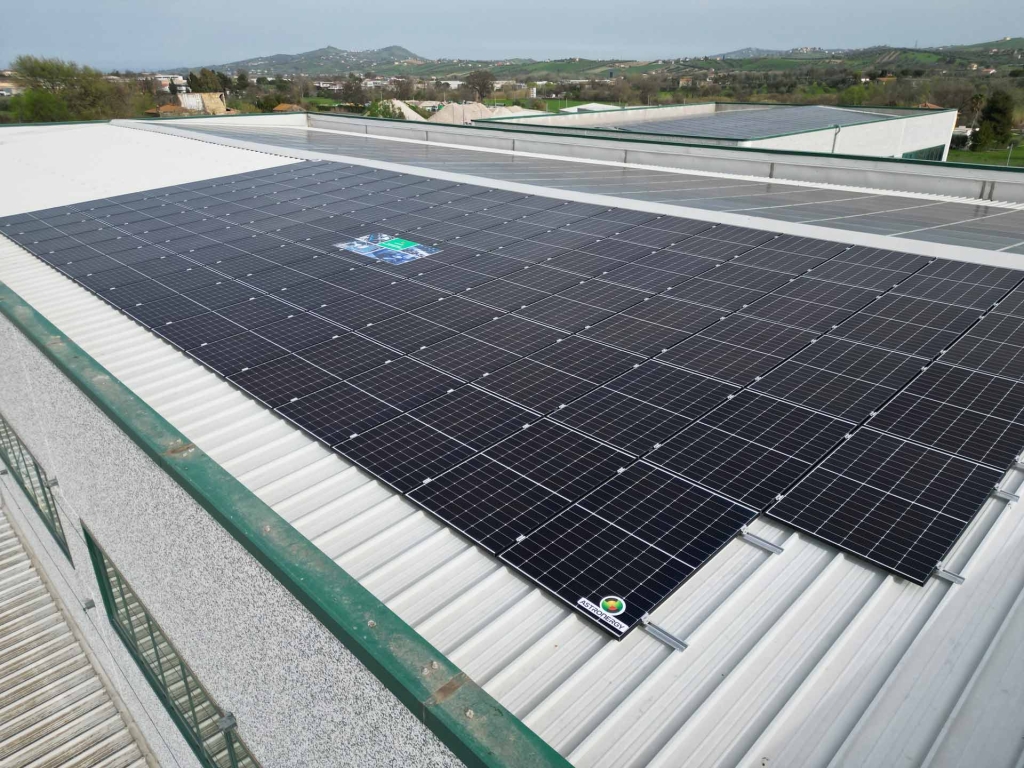
A complete setup that converts sunlight into electricity. It includes solar panels, inverters, mounting systems, and other electrical components.
2. PV Module (Solar Panel)
The basic building block of a solar PV system. It's composed of multiple PV cells connected and encased in a protective frame. These panels are installed on roofs or open spaces to capture sunlight and turn the sunlight into electricity.
3. PV Cell
The tiny powerhouse inside each panel. These cells use semiconductor materials (like silicon) to convert sunlight directly into electrical energy.
4. Kilowatt-hour (kWh)
A unit of energy. If you run a 1,000-watt appliance for one hour, that’s 1 kWh. Both your energy usage and solar system output are measured this way.
5. Watt-peak (Wp)
The maximum power a solar panel can produce under ideal conditions. It’s useful for comparing different panels’ performance.
6. Conversion Efficiency
The percentage of sunlight that a solar panel can convert into usable electricity. Higher efficiency means more power from the same amount of sunlight.
7. Inverter
A crucial device that converts the direct current (DC) electricity produced by solar panels into alternating current (AC), which is used in homes and businesses.
8. Grid-tied System
A solar system connected to the utility grid. It allows excess electricity to be fed back into the grid and draws power from the grid when needed.
9. Off-grid System
A standalone solar system not connected to the utility grid. It typically requires batteries to store electricity for use when the sun isn't shining.
10. Net Metering
A billing system where you earn credits for the extra electricity your solar panels send to the grid—offsetting your future energy usage.
11. Solar Irradiance
The amount of sunlight reaching a given area, usually measured in watts per square meter (W/m²). More irradiance means more solar power.
12. Angle of Incidence
The angle at which sunlight hits the solar panel. The closer to 90°, the better the energy capture.
13. Azimuth Angle
The compass direction your solar panels are facing. In the Northern Hemisphere, south-facing panels generally receive the most sunlight.
14. Payback Period
How long it takes for your solar system’s savings to equal its initial cost. After this, it’s all savings.
15. Return on Investment (ROI)
A measure of the financial benefits of investing in a solar system compared to the initial cost. It helps in evaluating the long-term profitability of your solar investment.
16. Feed-in Tariff (FIT)
A policy where you get paid a fixed rate for the electricity your system sends to the grid—common in some countries or regions.
17. Solar Quota
A regulatory requirement that a certain percentage of electricity must come from solar. It helps drive solar adoption at a national or local level.
18. Solar Subsidy
Financial incentives provided by governments or utilities to encourage the installation of solar systems. These can include tax credits, rebates, or grants.
19. Maximum Power Point Tracking (MPPT)
Smart inverter tech that adjusts voltage and current to extract the maximum possible power from your panels at any time.
20. Islanding Effect
A safety concern where a solar system continues to power a local area even when the grid is down. It’s dangerous for utility workers and usually prevented with automatic shutoff systems.
Understanding these terms will give you a solid foundation as you explore the exciting world of solar energy. Whether you're considering installing a solar system or simply want to learn more about renewable energy, this glossary will help you stay informed and make better decisions.