

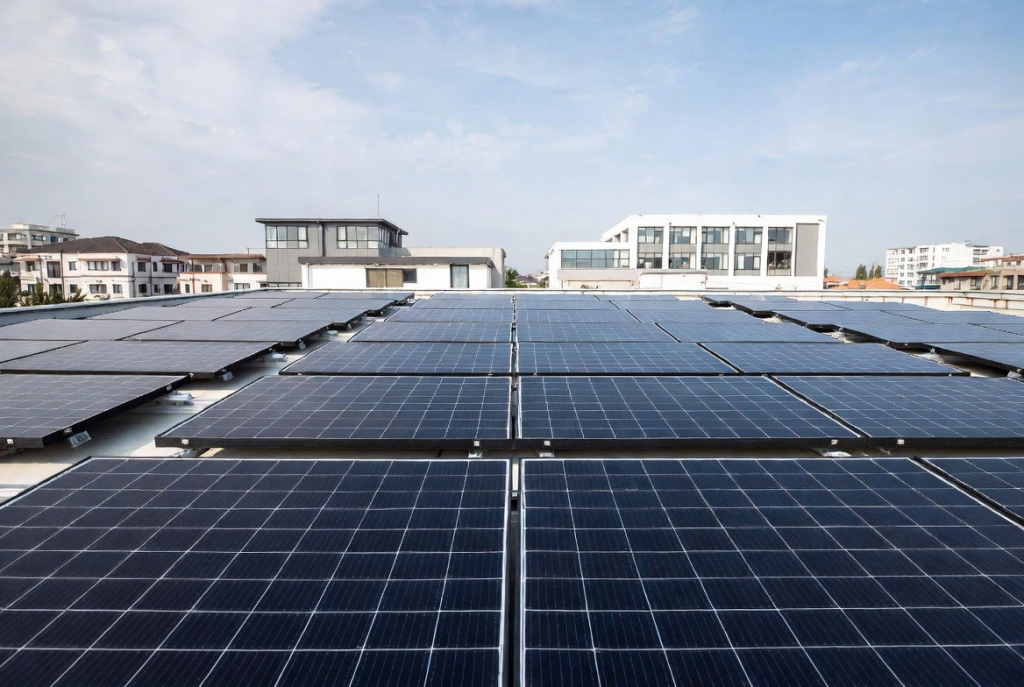
As distributed solar adoption grows, project owners increasingly ask a more practical question than ever: it’s not just how much electricity a system can generate, but how that electricity will actually be used.
In residential, commercial, and industrial (C&I) applications, the same PV system can create value in different ways depending on whether the electricity is consumed on site, exported to the grid, or reserved to support essential loads during an outage.
For most distributed projects, these operating modes are built around two common system configurations:
- PV-only systems
- PV + storage systems
Understanding how these configurations work is essential for evaluating project economics, energy flexibility, and long-term value. It also provides the foundation for understanding real-world distributed solar project cases across different markets and applications.
Two Common System Configurations in Distributed Solar
1.PV-Only Systems
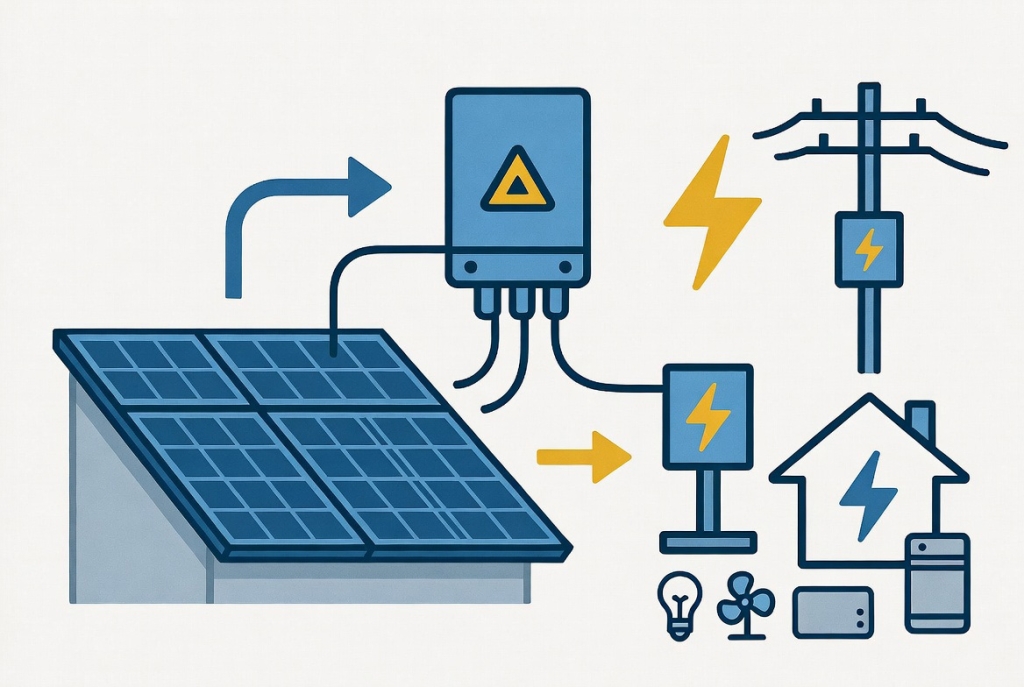
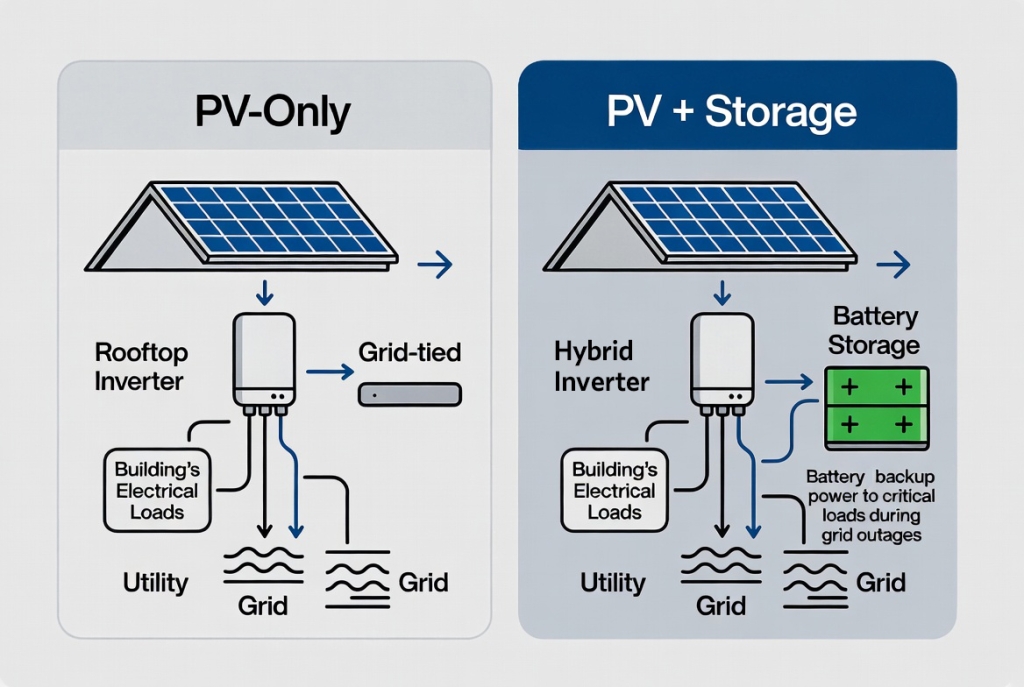
A PV-only system is the most common starting point for distributed solar. It typically includes:
- Solar modules
- A grid-connected inverter
- A connection to the utility grid
- No battery storage
In this setup, solar electricity is generated during the day and used in real time. The power usually serves on-site loads first. If generation exceeds immediate demand, the excess may be exported to the grid, depending on local grid rules and policy.
This makes PV-only systems especially suitable for projects focused on:
- Reducing daytime electricity purchases
- Keeping system design simple
- Lowering upfront investment
For many residential rooftops and commercial buildings, PV-only remains the most practical and cost-effective entry point into solar.
2.PV + Storage Systems
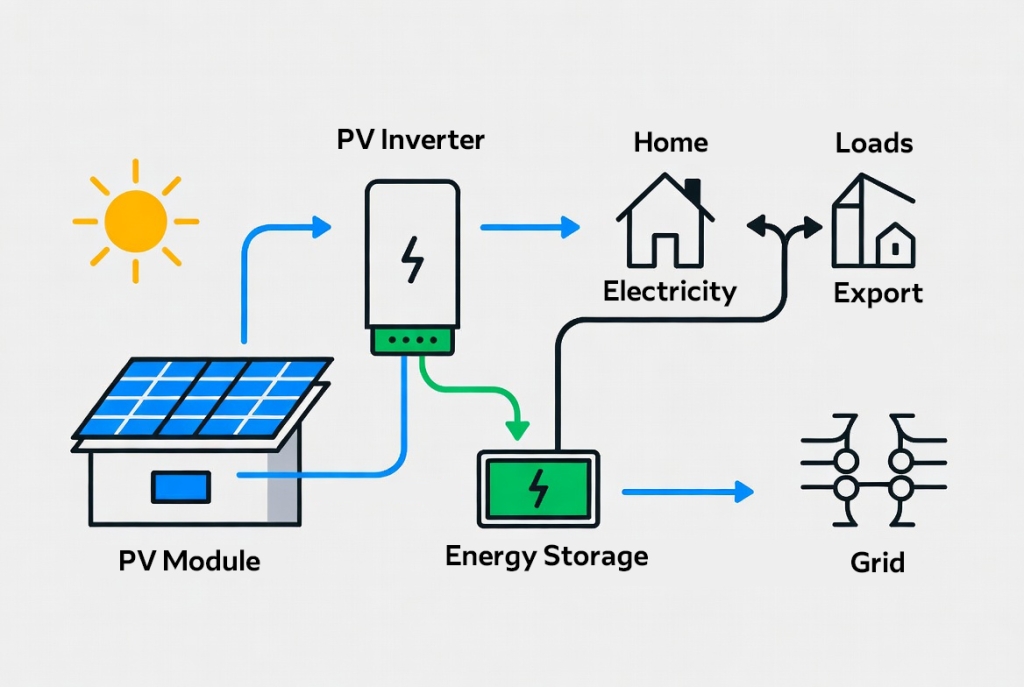
Adding battery storage creates a PV + storage system, along with compatible inverter and control functions. This allows the system to do more than generate electricity in real time.
With storage, solar energy can be:
- Used immediately
- Stored for later use
- Exported when appropriate
- Reserved for backup during a grid outage
Compared with PV-only systems, PV + storage systems offer more flexibility in how solar energy is managed. They are often chosen when project owners want to improve self-consumption, reduce exposure to high electricity prices, or add resilience for critical loads.
While system configuration defines what a solar installation can do, the real question for most project owners is how that energy is actually used in practice.
In distributed solar, this leads to three common operating modes: self-consumption, solar export, and backup power. These modes are not mutually exclusive—in many projects, they coexist and interact depending on system design and local policies.
Mode 1: Self-Consumption
What Is Self-Consumption?
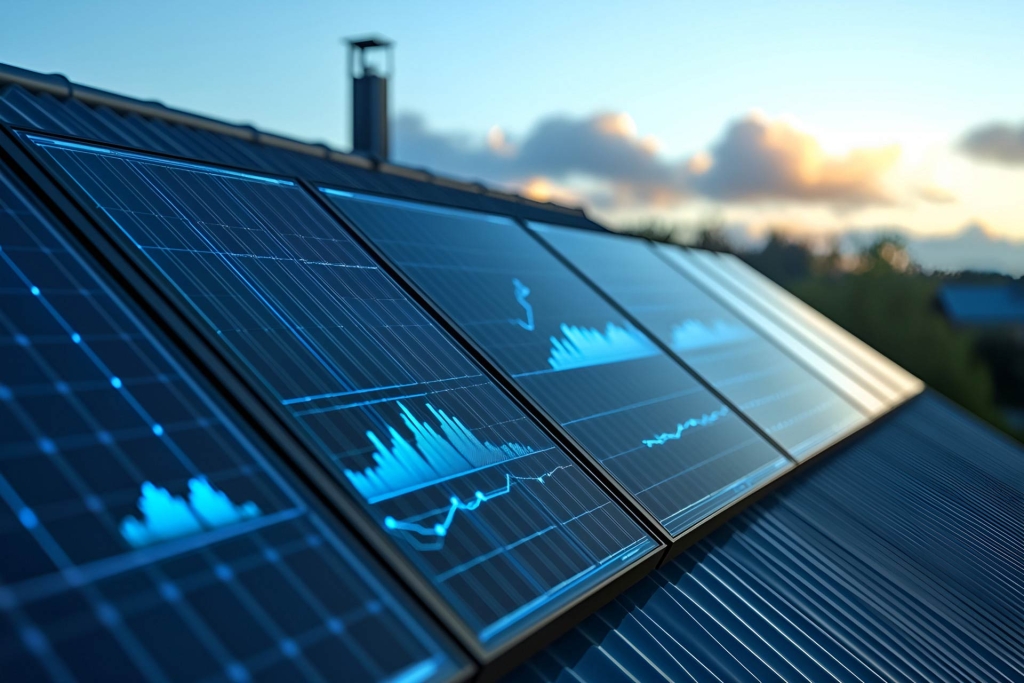
Self-consumption means using solar electricity directly at the site where it is generated.
For example:
- In a home, solar may power air conditioning, lighting, appliances, or water heating during the day.
- In a commercial building, it may support lighting, HVAC, elevators, and office equipment.
- In an industrial facility, it may supply machinery, cooling systems, or production-related loads.
This is often the most straightforward and valuable way to use solar power.
Why Self-Consumption Matters
Every kilowatt-hour consumed on site is one less kilowatt-hour that needs to be purchased from the grid. In many markets, this avoided grid purchase creates stronger value than exporting the same electricity.
That is why self-consumption is often the core economic logic behind distributed solar, especially when:
- Retail electricity prices are high
- Daytime electricity demand is strong
- Export compensation is limited
For many commercial and industrial users, daytime operations align well with solar generation. This makes self-consumption a particularly attractive operating mode.
Mode 2: Solar Export
What Is Solar Export?
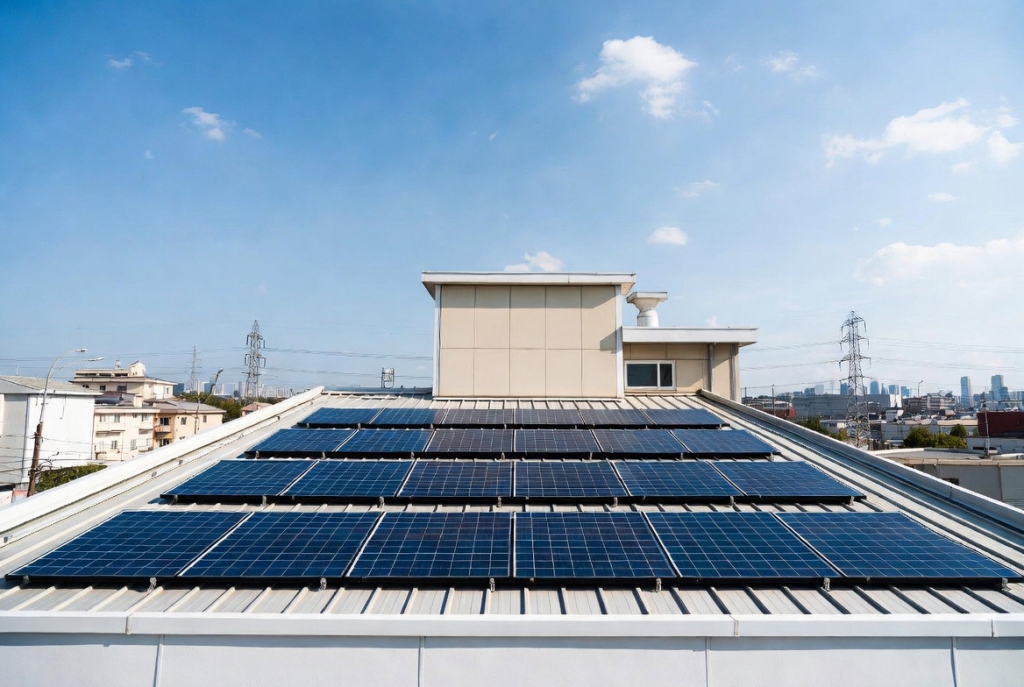
When a PV system generates more electricity than the site can use at that moment, the excess power may be exported to the utility grid. This is often referred to as solar export or surplus solar export.
Solar export is especially common in:
- Residential systems with midday surplus generation
- Commercial rooftops with lower daytime weekend demand
- Sites where the PV system is designed to maximize roof utilization
In these situations, exported electricity can become a second source of project value in addition to self-consumption.
How Solar Export is Compensated: FITs, Net Metering, and Net Billing
The financial value of exported solar depends heavily on local regulations. Common compensation mechanisms include:
- Feed-in Tariffs (FIT): The system owner receives a fixed, predetermined payment for every unit of electricity delivered to the grid.
- Net Metering (NEM): Exported electricity generates 1-to-1 credits that can be used to offset electricity drawn from the grid at night or during periods of lower solar generation.
- Net Billing: Exported power is credited at a wholesale or avoided-cost rate, which is usually lower than the retail electricity rate.
The key point is this: Solar export creates value only when local policy allows excess electricity to be credited or purchased.
When Solar Export Is Most Useful
Solar export can be a strong value stream when on-site daytime demand is lower than generation and export compensation is favorable. At the same time, in regions where exported power is paid at a fraction of the retail rate (like in Net Billing setups), maximizing self-consumption usually becomes the higher priority.
Important: PV-Only Systems Usually Do Not Provide Backup Power
One of the most common misunderstandings in distributed solar is the idea that solar panels alone can keep a building running during a grid outage.
In most cases, this is not true.
Standard grid-connected PV systems are designed to shut down during a blackout because of anti-islanding protection. This is a safety requirement that prevents electricity from feeding back into the grid when utility workers may be repairing the network.
As a result, a typical PV-only system may save electricity costs during normal operation, but it usually does not provide power during an outage. This distinction is important for project owners evaluating solar not only for savings but also for energy security.
Mode 3: Backup Power
What Is Backup Power in a Solar Project?
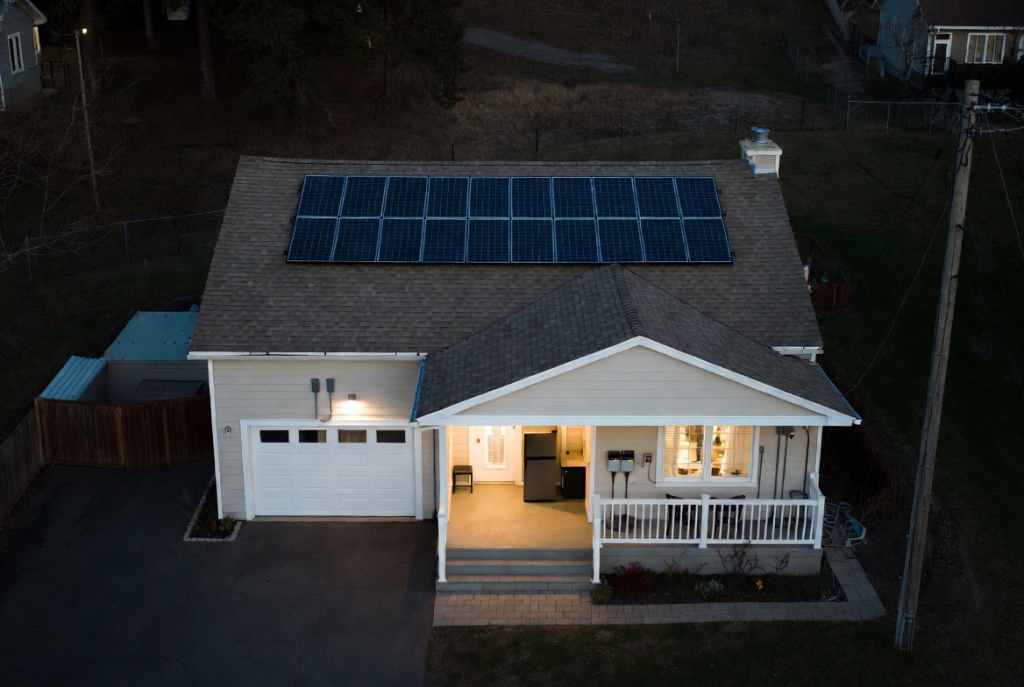
Backup power means that the system can continue supplying selected loads when the utility grid is unavailable. This requires more than PV modules alone. A backup-capable setup typically includes:
- Battery storage
- A compatible hybrid inverter
- Control functions for safe, off-grid switching
- A design that prioritizes critical loads
- Why Backup Power Adds Practical Value
For some users, backup power is a key operational requirement rather than just a convenience. Examples include homes needing refrigeration during outages, retail shops operating payment systems, or hospitals with critical equipment and patient care areas that must remain powered. In these cases, backup capability adds value beyond pure electricity savings by improving resilience.
Backup Does Not Always Mean Whole-Building Power
It is also important to be realistic: backup design does not automatically mean the entire building can operate normally during a blackout. Actual performance depends on battery capacity, inverter power, and solar availability. In many projects, backup power is designed for critical loads only.
How PV + Storage Changes the Value Model
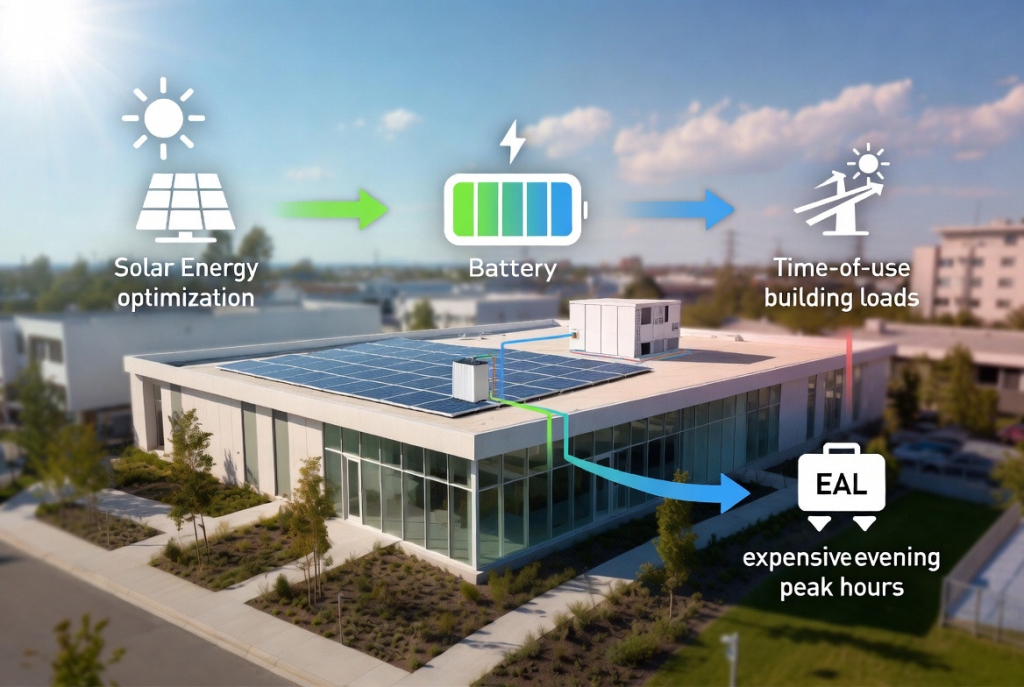
The biggest difference between PV-only and PV + storage is not simply the addition of a battery. It is the change in how solar electricity can be used.
In a PV + storage system, a third layer of value becomes possible: solar can be stored and used later. This makes the project’s value model much more flexible, particularly in areas with Time-of-Use (TOU) rates.
Many utilities charge higher electricity rates during late afternoon and evening peak hours. A PV + storage system can charge the battery during sunny, low-cost periods and discharge it during peak TOU hours. This strategy—often called load shifting—can dramatically improve self-consumption and maximize financial returns.
A Simple Comparison
| System Configuration | Main Operating Modes | Main Value | Key Limitation |
| PV-only | Self-consumption, solar export | Lower electricity bills, possible export income | Usually no backup during outages |
| PV + storage | Self-consumption, solar export, backup power | More flexible energy use (TOU optimization), resilience for critical loads | Higher upfront system cost |
Every home and business has its own unique energy needs, which means there is no one-size-fits-all solar solution. The optimal system configuration depends on factors such as electricity consumption patterns, local energy pricing, grid export policies, and the importance of backup power.
Why Module Performance Matters in Every Operating Mode
No matter which operating mode a project uses, the foundation of value is still the same: the system must generate reliable solar electricity over the long term.
That is why module performance matters across all configurations. Key factors include:
- High efficiency and strong energy yield
- Low degradation rates
- Long-term reliability
These qualities are especially important in distributed applications, where roof space is limited and every panel must contribute as much value as possible. Regardless of how solar energy is ultimately used—whether consumed on site, exported to the grid, or stored for later use—the system’s long-term value depends on consistent and reliable energy generation.
High-efficiency, low-degradation modules play a critical role in this foundation. Astronergy’s ASTRO N series modules are designed to deliver stable performance across diverse operating conditions, helping distributed projects maintain strong energy output and economic returns over time.
Conclusion
Distributed solar is not defined only by how much power a system can generate. Its real value depends on how that power is used.
For PV-only systems, self-consumption and solar export provide a straightforward path to lower electricity bills. For PV + storage systems, the value model expands to include TOU rate optimization and backup power, giving project owners greater flexibility and control over how solar energy is used.
Understanding these operating modes is the first step toward choosing the right system design. Astronergy’s ASTRO N series —high-efficiency, n-type TOPCon modules—are built to support both configurations, helping project owners make better use of limited rooftop space and build a stronger foundation for long-term energy value.