Why Solar Power Is a Smart Investment in 2025 and Beyond
12 -22 2025
355views
Global energy is at a structural turning point. Low-cost photovoltaics, strong policy support, and accelerating electrification are converging to make solar one of the highest-confidence investments of the next decade—across utilities, businesses, and households.
Market Fundamentals
1. Lowest-cost option: Utility-scale solar is among the cheapest new electricity sources worldwide, with continued cost reductions driven by manufacturing scale and technological improvements.
2. Demand growth: Electrification of transport, heating, and industry expands the addressable market for clean power.
3. Speed to build: Modular and rapid deployment outpaces long-lead-time fossil and nuclear projects, delivering faster returns.
Policy Tailwinds
1. Stable incentives: Tax credits, rebates, and accelerated depreciation in major markets enhance after-tax internal rates of return (IRRs).
2. Grid decarbonization mandates: Renewable portfolio standards and corporate clean-power targets lock in multi-year offtake agreements.
3. Market access: Evolving interconnection reforms and capacity markets increasingly value clean and firm energy.
Technology & Cost Curve
1. Efficiency gains: Higher-efficiency cells—including advanced technologies such as TOPCon, HJT, and perovskite tandems—increase energy yield without expanding the physical footprint.
2. Storage synergy: Falling battery costs turn solar into dispatchable capacity, boosting revenues under time-of-use pricing and ancillary service markets.
3. Operations and maintenance (O&M) digitization: Better monitoring and predictive maintenance reduce downtime and lifecycle costs.
Risk and Resilience
1. Hedge against volatility: Solar's zero-fuel-cost profile protects portfolios from commodity price shocks and carbon pricing.
2. Climate and ESG alignment: Transparent emissions reductions meet investor mandates and can lower capital costs.
3. Supply diversification: Expanding manufacturing geographies and recycling programs reduce procurement risk over time.
1. Utility-scale: Long-term power purchase agreements (PPAs), merchant exposure with storage, and capacity payments create stacked revenue streams.
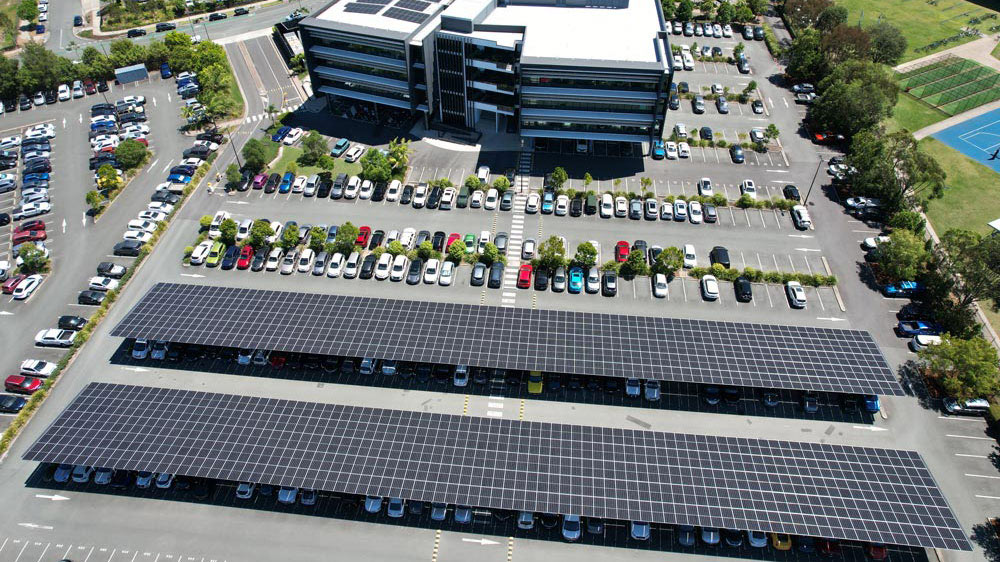
2. Commercial and industrial (C&I): On-site or PPA solar cuts peak tariffs and demand charges; batteries add operational resilience.
3. Residential: Rooftop solar combined with smart electrification (EVs, heat pumps) shortens payback periods and stabilizes household bills.
How to Capture Value
1. Partner with financially stable providers:Choose proven modules, inverters, and engineering, procurement, and construction (EPC) contractors to reduce performance and warranty risk.
2. Co-optimize with storage: Model energy arbitrage, inverter clipping recovery, and grid services to maximize project yield.
3. Follow policy and interconnection queues: Timely siting and grid readiness often matter more than panel selection alone.
Conclusion
With falling costs, supportive policies, and accelerating electrification, solar offers a compelling combination of yield, scalability, and resilience—positioning it as an outstanding investment opportunity for 2025 and the decade ahead.