


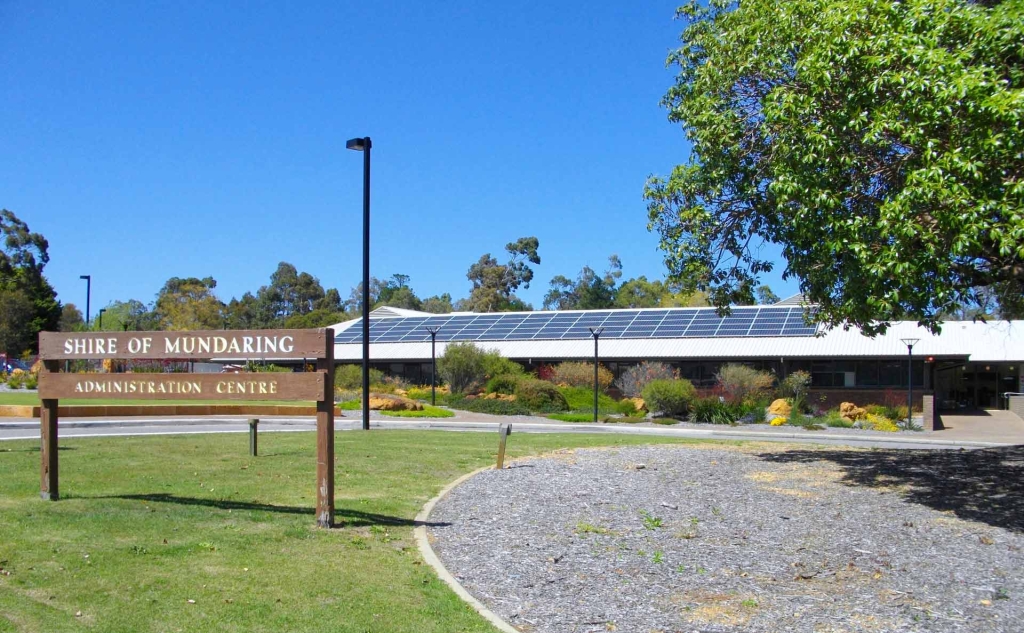
Solar power isn't just growing; it's skyrocketing across the globe, firmly establishing itself as a cornerstone of the renewable energy transition. But what’s behind this remarkable momentum? Let’s break down the key factors fueling the solar revolution:
1. Government backing has been instrumental in jumpstarting the solar industry
Incentives such as subsidies, tax credits, feed-in tariffs (FiTs), and long-term Power Purchase Agreements (PPAs) have made solar financially viable and attractive to investors. Ambitious national renewable energy targets further signal long-term commitment, unlocking massive market potential.
2. Technology Advancements: The Engine
Ongoing R&D has significantly improved the efficiency and performance of solar panels. Modern systems generate more energy from less space and sunlight, thanks to innovations like bifacial panels, perovskite cells, and floating solar systems. These advancements have broadened where and how solar can be deployed—from urban rooftops to offshore reservoirs.
3. Cost Reduction: The Game Changer
The price of solar has plummeted over the past decade. Thanks to the massive economies of scale, technological advancements, and fierce competition have drastically driven down manufacturing costs for panels and other components. Today, solar is one of the most cost-effective sources of electricity in many regions—often outcompeting fossil fuels.
4. Environmental Awareness: The Moral Imperative
With climate change and pollution in sharp focus, solar energy offers a compelling solution. Its clean, zero-emission nature helps reduce reliance on fossil fuels, aligns with corporate ESG commitments, and supports global climate goals. For many, investing in solar isn’t just smart—it’s the right thing to do.
5. Energy Security & Independence: The Strategic Priority
Rising geopolitical tensions and volatile fossil fuel prices have pushed many countries to prioritize energy independence. Solar, as a domestic and distributed energy source, provides greater control over national energy supply, reduces import dependence, and cushions against global market shocks.
6. Market Demand Growth: The Pull Factor
Global electricity demand is surging—driven by urbanization, digital infrastructure, and electric vehicles. Sectors like data centers, EV charging networks, and smart cities require clean, scalable energy solutions. Solar’s ability to be deployed quickly and close to demand centers makes it a natural fit.
7. Investment & Financial Support: The Money Boost
As solar technology matures and project risks decline, investors are increasingly drawn to the sector. Financial institutions are offering green bonds, low-interest loans, and solar-specific financing products. This influx of capital is accelerating deployment at every scale—from residential rooftops to utility-scale farms.
The global rise of solar power is no accident. It’s the result of converging forces—smart policy, better technology, falling costs, environmental urgency, strategic necessity, and rising demand. As these drivers continue to align, solar is set to play an even more pivotal role in shaping a cleaner, more resilient global energy future.