


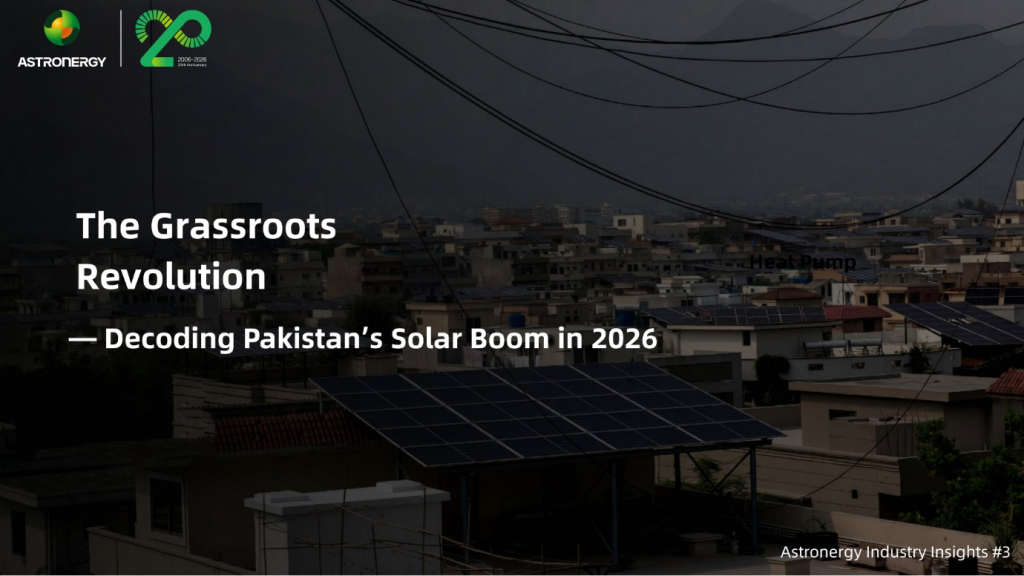
Driven by a combination of high grid electricity costs, a zero-rated tax regime on imports, and the urgent need for energy security amidst the Middle East energy crisis, the nation has achieved a “people-led” solar revolution. As of March 2026, Pakistan’s solar PV imports have surged from under 1 GW in 2018 to over 51 GW, shielding the economy from the volatility of the Strait of Hormuz shipping disruptions [1] [2].
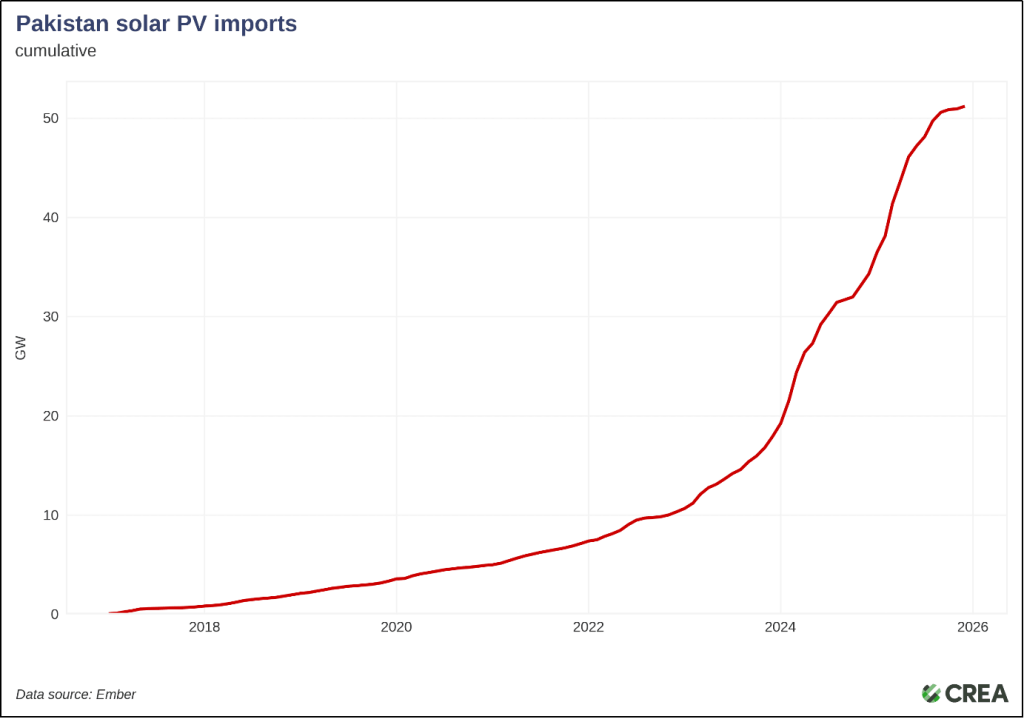
Figure 1: Pakistan’s solar PV import growth (2018-2026), highlighting the nation's rapid shift toward energy independence.[3]
The ongoing conflict in the Middle East and the subsequent disruption of the Strait of Hormuz have sent shockwaves through global energy markets. Pakistan, historically dependent on LNG and oil imports transiting this chokepoint, faced a potential systemic collapse. However, the “grassroots” solar boom has acted as a critical insurance policy.
Key Market Drivers in 2026
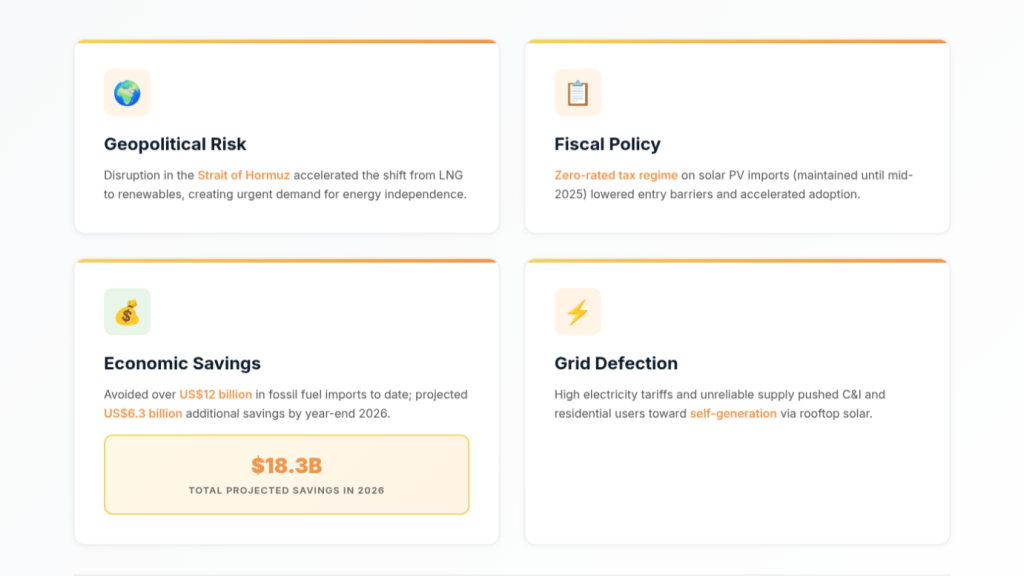
| Driver | Impact on Solar Adoption |
| Geopolitical Risk | Disruption in the Strait of Hormuz accelerated the shift from LNG to renewables. |
| Fiscal Policy | Zero-rated tax regime on solar PV imports (maintained until mid-2025) lowered entry barriers. |
| Economic Savings | Avoided over US$12 billion in fossil fuel imports to date; projected US$6.3 billion additional savings by year-end 2026[2]. |
| Grid Defection | High electricity tariffs and unreliable supply pushed C&I and residential users toward self-generation. |
The “Hedge” That Paid Off
Pakistan’s solar transition is unique because it was largely consumer-led rather than state-planned. While other Asian economies increased their LNG dependence, Pakistan’s energy curve bent the other way, with a 40% drop in oil and gas imports between 2022 and 2024[2].During the 2026 energy crisis, while regional peers faced power rationing, Pakistan introduced “work from home” options that were viable only because rooftop solar reduced reliance on the fragile national grid. This distributed power has effectively “unwound” one of the country’s most stubborn macroeconomic vulnerabilities: dependence on an import bill that drained foreign exchange and stoked inflation[2].
For solar module suppliers operating in this market, the ability to deliver reliable, high-efficiency products at scale has been the decisive factor in winning customers’ trust.
Astronergy has strengthened its presence in Pakistan by partnering with local stakeholders to deliver reliable solar solutions suited to the country’s demanding conditions. In 2025, Astronergy achieved a major milestone by shipping over 1GW of n-type TOPCon PV modules to Pakistan, reinforcing its role in the country’s solar energy expansion.
The Pakistani solar boom is more than a market trend. It is a testament to the power of distributed clean energy in building national resilience. Astronergy is proud to be a part of this journey, turning every rooftop into a source of reliable power source.
References
[1] The Guardian: How Pakistan's people-led solar boom is easing impact of energy crisis
[2] Gas Outlook: Pakistani solar boom is shielding it from the Hormuz crisis
[3] The hedge that paid off: How Pakistan’s solar boom is shielding it from the Hormuz crisis